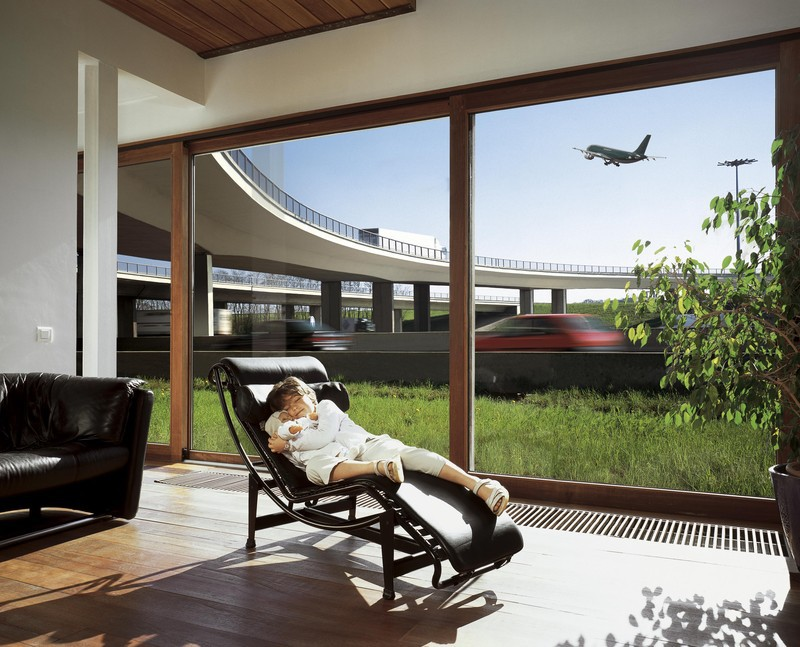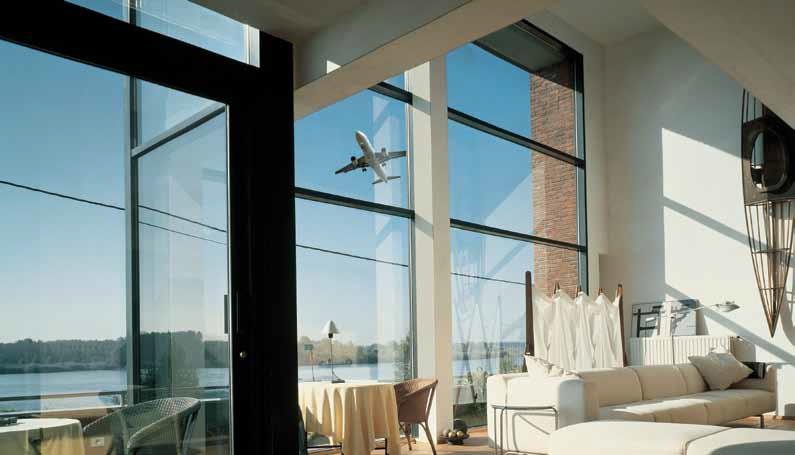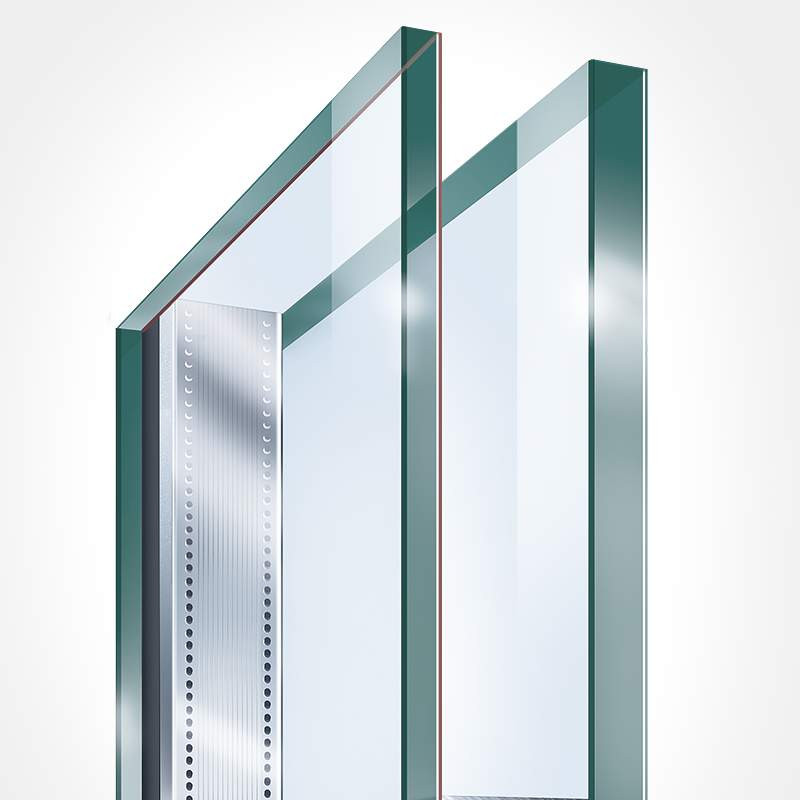
Controlling sound in modern buildings is a key design criteriaas unwanted noise can be a nuisance. The noise may be from traffic, trains, aircraft, factories, machines, hotel and bars or just from the neighbors, but whatever the source the correct selection of glass, window systems and construction materials are crucial for a peaceful environment. Sound-proofglasses consist of two glasses with two or more special films between them.
Glazing and windows play a critical role in the sound insulation of a building, and are frequently highlighted as the most vulnerable element in a building’s ability to resist noise intrusion.
Glass Selection
When selecting glass products for acoustic insulation, there are several fundamentals that have a bearing on the sound reduction effectiveness:
Sound reduction will increase with increased glass thickness, due to the increased mass involved. This is particularly so at lower frequencies.
Sound reduction will decrease somewhat with increasingly larger glass area, but not generally enough to make a discernible difference in most architectural glass sizes.
Sound reduction will increase with the use of all laminated glass due to the vibration dampening effect of the plastic interlayer sandwiched between the plies of glass.
Multi laminates combine the increased mass effect of solid glass with the dampening effect of plastic interlayers can provide even superior sound reduction.
Where high sound insulation is required, wide air spaced double windows with a greater airspace width may be required. Lining the reveals with acoustic absorbent material is beneficial because it reduces the reverberation in the cavity. Increasing the airspace width produces an increase in sound insulation, but beyond 20mm may become uneconomic for the smaller incremental improvements achieved.
Sound reduction can be improved by using different glass thicknesses and types in double glass/glazing combinations. This minimizes sympathetic vibrations which occur when glass of the same thickness resonates in unison and transmits sound.
Glass controls noise by:
Reflecting the noise back towards the source.
Absorbing the noise energy within the glass.
We can improve the sound insulation of glass in different ways:
Increasing the thickness of the pane.
Using laminated glass on its own or within an insulating glass unit (the larger the gap between the panes, the better the insulation).
Benefits
High-level acoustic performance.
Mechanical performance equivalent to normal laminated glass in terms of safety.
Assembly options – Option to use different base glasses to obtain additional functions: thermal insulation, solar control, decoration.
Assemblies
The base glasses selected for the assembly determine the desired functions in addition to safety:
Enhanced thermal insulation.
Solar control.
Decoration and design.
Applications
There are multiple applications in facades and interior design – as monolithic or insulating glass.